Ever wondered what makes a cookie truly irresistible? Spoiler alert: it all starts with flour. Yes, the humble flour. In the quest for the perfect cookie, people often overlook this crucial ingredient. You might think you simply grab any bag out of the pantry, but the type of flour you choose dramatically impacts texture and flavor. In this text, we’ll dive deep into the art of baking cookies and explore how different flours can change your cookie game from mediocre to magnificent. Buckle up your apron and prepare for a baking adventure that’s sure to satisfy your sweet tooth.
The Art of Baking Cookies

Baking cookies is a delightful blend of science and artistry. The magic happens when raw ingredients come together to create something delectable. Every baker worth their salt knows that flour plays a starring role in this process.
Choosing the Right Flour for Cookies
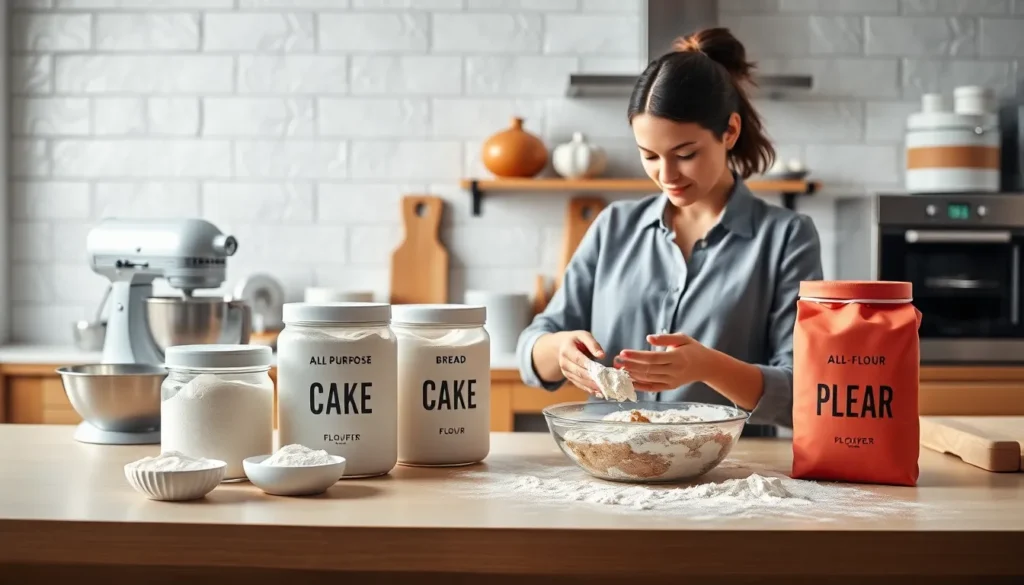
Not all flours are created equal. For cookies, you generally have a few options: all-purpose flour, cake flour, and bread flour. All-purpose flour is the go-to for many bakers because it strikes that perfect balance. It has enough protein to provide structure, yet it’s still soft enough to keep cookies chewy. If a baker desires a lighter and more delicate cookie, they might opt for cake flour, which has lower protein content. On the flip side, a heartier texture can be achieved with bread flour, which has a higher protein level. Eventually, the choice hinges on what type of cookie you’re aiming to create.
Types of Flour and Their Benefits
Each type of flour brings its own flavor profile and texture to the table. Here’s a quick rundown:
- All-Purpose Flour: Versatile and dependable. Great for most cookie recipes.
- Cake Flour: Perfect for fluffy, tender cookies. Add a touch of elegance to those sweet treats.
- Bread Flour: For those who prefer a chewier bite, thanks to its higher gluten content.
Choosing the right flour isn’t just about practicality: it’s about elevating each cookie into a handcrafted masterpiece.
How Flour Affects Cookie Texture
The texture of your cookie depends largely on the flour used. Imagine a cookie that’s airy and crumbly, perfectly complementing a cup of tea. Now imagine a cookie that’s dense and chewy, perfect for dunking in milk. It boils down to the gluten development in your dough, which is directly influenced by the flour you choose. A little bit of chemical magic, if you will.
Understanding this concept means every baker has the power to mold their creations, giving way to endless possibilities.
Classic Cookie Recipes from Cookiesforlove
Now that the foundation is laid with flour knowledge, let’s explore some classic cookie recipes from Cookiesforlove that highlight the magic of proper flour usage.
Signature Cookies to Try
First up, one cannot go wrong with the ever-popular chocolate chip cookie. Using a blend of all-purpose and cake flour, this regimented recipe yields cookies that are chewy in the center with just a hint of crispness on the edges. If you want to venture slightly off the traditional path, look to the oatmeal raisin cookie. The addition of whole-grain flour can transform the texture, turning these cookies into a hearty yet sweet treat. Whether you lean toward classic or alternative selections, these recipes serve as a great foundation while encouraging experimentation in the kitchen.
Baking Techniques for Perfect Cookies
Even with the best flour in hand, a few baking techniques can make or break the cookie. Mastering these techniques ensures your creations come out golden, delicious, and irresistible.
Essential Baking Tools and Equipment
Before diving into baking, kitchen essentials play a key role. Here are the must-haves:
- Mixing Bowls: Good for combining wet and dry ingredients without worry.
- Baking Sheets: Choose heavy-duty sheets to prevent warping.
- Silicone Baking Mats: These handy mats provide a non-stick surface, ensuring easy cookie removal.
- Kitchen Scale: For precision, use a scale to measure flour accurately.
Investing in these tools leads to a smoother baking process, allowing your focus to be on creativity and flavor.
Step-by-Step Baking Guide
Here’s a simple step-by-step guide:
- Preheat your oven to the required temperature.
- Combine dry ingredients, ensuring flour and baking soda are mixed well.
- Beat butter and sugars together until creamy.
- Gradually incorporate dry ingredients into the mix.
- Scoop the dough onto prepared baking sheets.
- Give those cookies some room: they love to spread.
- Bake until the edges are golden, then let cool.
Following this guide will lead to chewy, delightful cookies that friends and family will rave about.
Creative Variations on Classic Recipes
Baking isn’t just about following a recipe: it’s also about expressing creativity. So, let’s spice things up with some fun variations on classic recipes.
Incorporating Unique Ingredients
Elevate your cookie game by experimenting with unexpected ingredients. Have you thought of adding a pinch of sea salt to balance sweetness? Or maybe infusing extracts like almond or orange for a flavor twist? If adventurous, incorporating ingredients like crushed pretzels or bacon can yield surprisingly delicious results. The goal here is to encourage bakers to think outside the cookie box.
Flavor Combinations to Explore
Pairing flavors is an art form. How about pairing chocolate with orange for an exotic touch? Or mixing chai spices with molasses for that warm holiday feel? The combinations are endless. Get creative and don’t shy away from mixing traditional with unconventional flavors. This is your cookie canvas, and the world is your oyster.